
Fort Worth Local
Flooring Repair in Fort Worth
Scratches, warped boards, loose planks, Quincey shows up and fixes it right.
Call or text (347) 805-7246Request an estimate
Tell us what you need
Fort Worth Flooring Repair That Holds
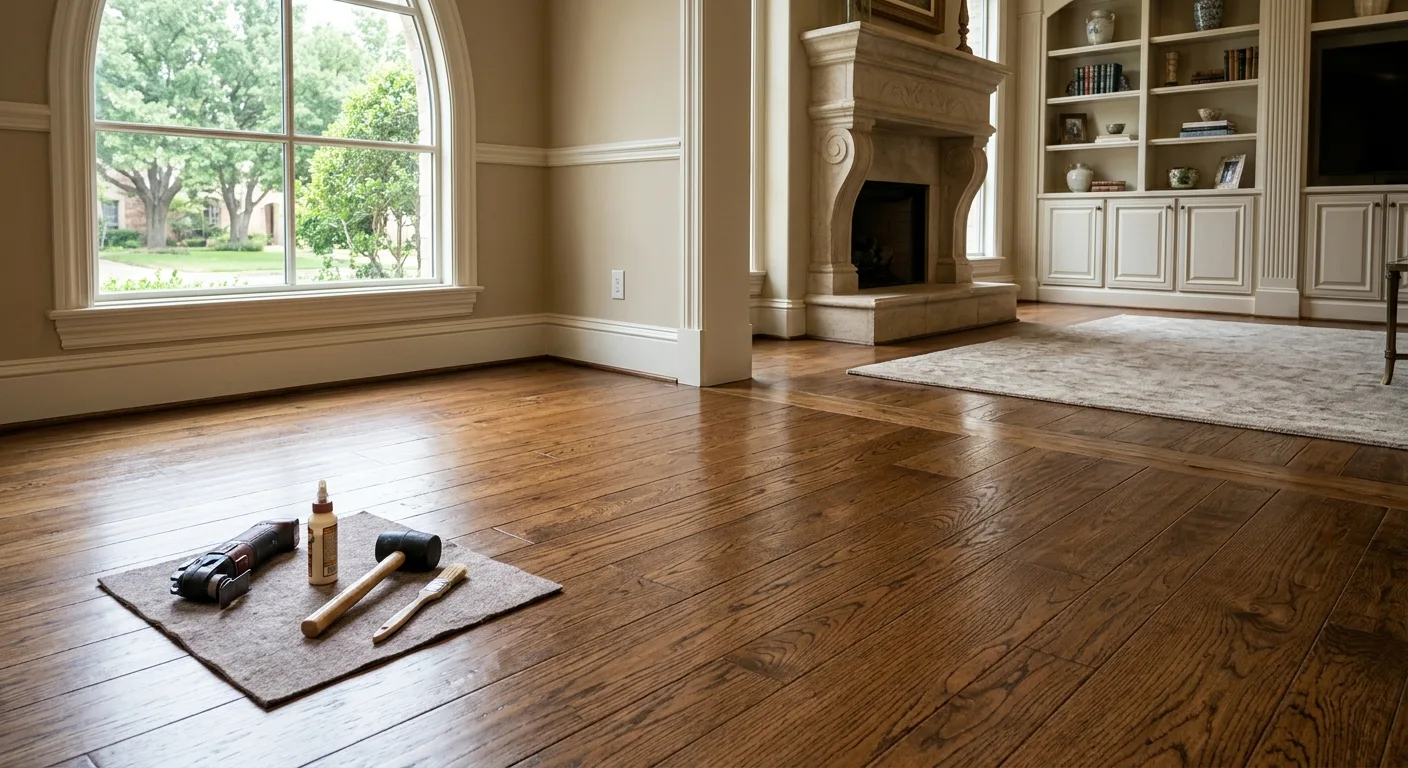
Flooring repair in Fort Worth is what DreamHouse Handyman handles, hardwood boards that have cupped from humidity, laminate planks that've popped loose, vinyl that's bubbling up at the seams, or tile that cracked under a heavy impact. Quincey works across Fort Worth and Tarrant County, and you're calling the person doing the work when you dial (347) 805-7246. The most common question homeowners ask is whether they can replace just a section without redoing the whole floor. The short answer is yes, and that's usually the smarter call.
Fort Worth's climate is the main enemy of wood floors. Humidity swings between summer and winter cause boards to expand and contract, which is what drives cupping, gapping, and squeaks over time. Older homes near Fairmount or TCU/Westcliff often have solid hardwood subfloors with decades of seasonal movement behind them, different repair requirements than the engineered hardwood or LVP you'll find in newer Alliance-corridor builds. The scope of a repair job depends on the floor type, how far the damage has spread, and what's going on underneath. Structural issues under the floor cost more to address than surface-level scratches. If you're debating between a patch repair and a full flooring installation, that's exactly the kind of thing worth talking through before you spend anything. Every job is different, contact DreamHouse Handyman for an accurate estimate.
What Fort Worth Floors Actually Need Fixed
Most damage falls into one of a few categories, and knowing which one changes what the repair looks like.
Cupped and Warped Boards
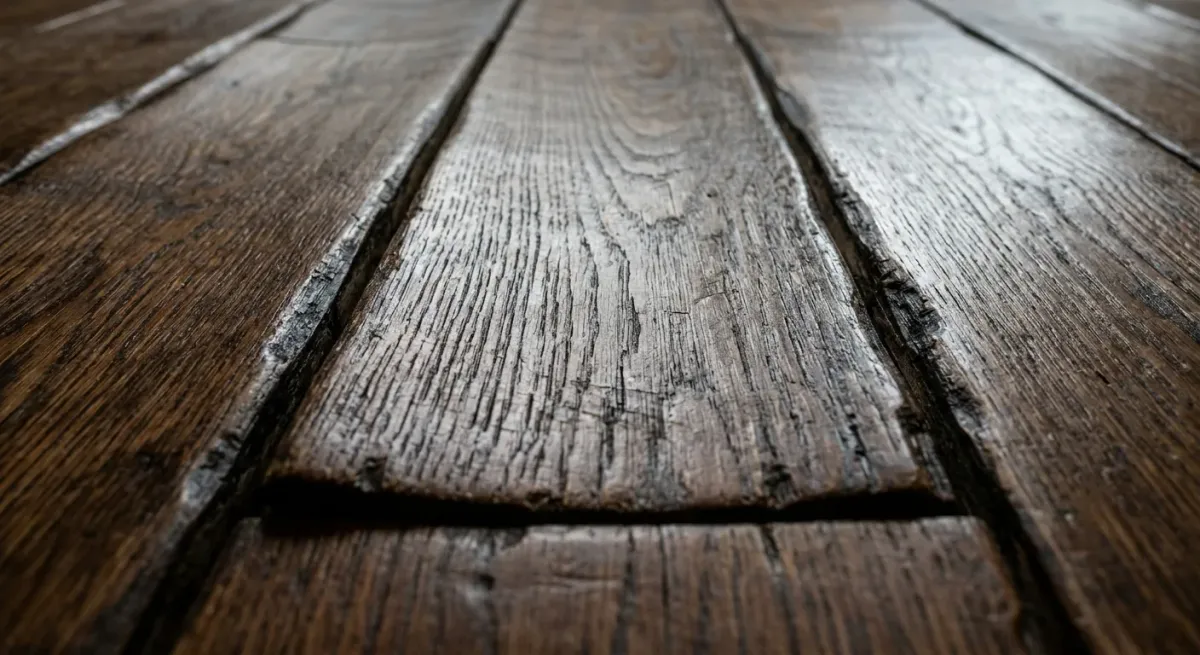
Cupping happens when moisture gets under the boards faster than it escapes from the top. Fort Worth summers make this common. Fixing it usually means stabilizing the moisture source first, then deciding if the boards can be sanded flat or need replacing.
Scratches and Surface Damage
Deep scratches from furniture legs or pet claws go through the finish and into the wood. Light scratches stay in the finish coat. These are different repairs, one needs wood filler and re-staining, the other just needs a topcoat. I'll tell you which one you're dealing with.
Squeaky and Loose Sections
Squeaks come from boards rubbing against each other or against fasteners that've worked loose over time. Most squeaky floor repairs don't require pulling up boards. A lot can be fixed from below if there's basement or crawl space access, or through the face of the board.
Gaps Between Boards
Gaps that open up in winter and close in summer are normal wood movement. Gaps that stay open year-round signal a moisture problem or fastener failure. Filler works for narrow cosmetic gaps; wider structural gaps need re-securing the boards or replacing a section.
Water and Pet Stain Damage
Water left sitting long enough doesn't just stain, it swells the wood and starts breaking down the subfloor. Pet stains can go deep enough that surface sanding won't remove the odor. Sometimes the board has to come out. I'll show you exactly what's affected before anything gets pulled.
Laminate and LVP Repair
Laminate and luxury vinyl plank don't behave like solid wood, but they fail in their own ways, edge swelling from water, planks that unlock and shift, chips at high-traffic doorways. Replacement sections are matched to what's existing as closely as possible.
Repair vs. Replace
When to Repair and When to Start Over
The Process
How a Flooring Repair Actually Goes
Assess Before Anything Gets Touched
Quincey walks the floor, checks for movement, moisture, subfloor condition, and identifies how far the damage extends. No guessing. The repair plan comes from what's actually there.
Isolate the Damaged Section
Boards or planks are carefully removed to the nearest seam or natural break point. Surrounding material is protected. The goal is a clean edge that lets the repair blend, not a rough cut that telegraphs the patch.
Repair, Match, and Finish
New material is fitted, stained or finished to match the existing floor as closely as possible, and secured correctly. High-traffic areas get checked for fastener integrity before the job is called done.
Can a Partial Repair Actually Match?
Keeping Floors in Better Shape Between Repairs
Most preventable floor damage comes down to a few habits. These are worth knowing.
Control Indoor Humidity
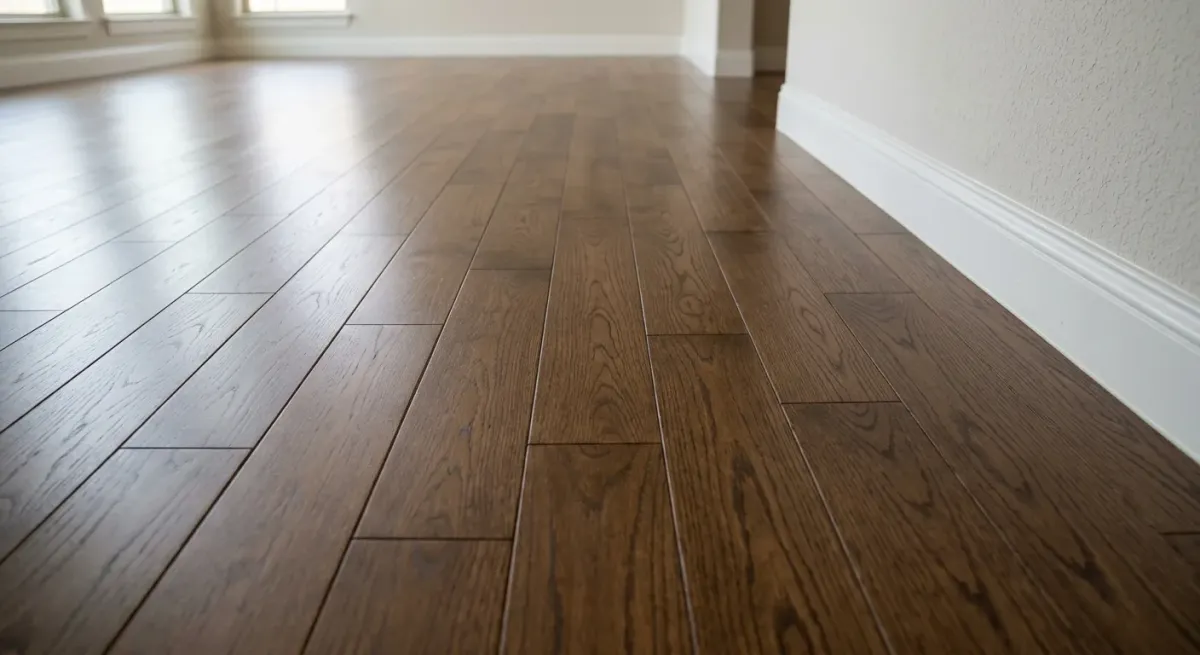
Fort Worth humidity swings hard between seasons. Keeping indoor humidity between 35-55% year-round dramatically reduces wood movement, cupping, and gapping. A whole-home humidifier or dehumidifier pays for itself in avoided repairs.
Clean Spills Fast
Water sitting on hardwood for more than a few minutes starts working into the finish. Pet accidents left overnight can require board replacement. Wipe spills immediately and dry the surface fully.
Use the Right Cleaner
Steam mops wreck hardwood floors. So does anything with wax, oil soap, or ammonia. A damp, not wet, mop with a pH-neutral wood floor cleaner is all you need. If it says multi-surface, skip it.
Protect High-Traffic Zones
Entry points, in front of kitchen sinks, and under office chairs take the most abuse. Felt pads under furniture legs, area rugs at doors, and a chair mat under rolling chairs add up to years of extended floor life.
In the field
A look at our work
Get Your Flooring Repaired in Fort Worth
Quincey handles flooring repair across Fort Worth and Tarrant County. Call directly, no intake system, no callback queue.
Frequently asked questions
Not answered here?Ask Quincey: (347) 805-7246
Can you replace just a section of hardwood floor without redoing the whole room?
How does Fort Worth's humidity affect hardwood floors?
What's the difference between floor repair and floor refinishing?
Is it cheaper to repair hardwood floors or replace them?
How long does a flooring repair take?
Do you repair laminate and LVP flooring, or only hardwood?
When should a floor not be repaired and replaced instead?
Next step
Tell us about the job
Your name, your number and what needs doing. A person from DreamHouse Handyman gets back to you.
Rather talk now?(347) 805-7246