
Fort Worth Local
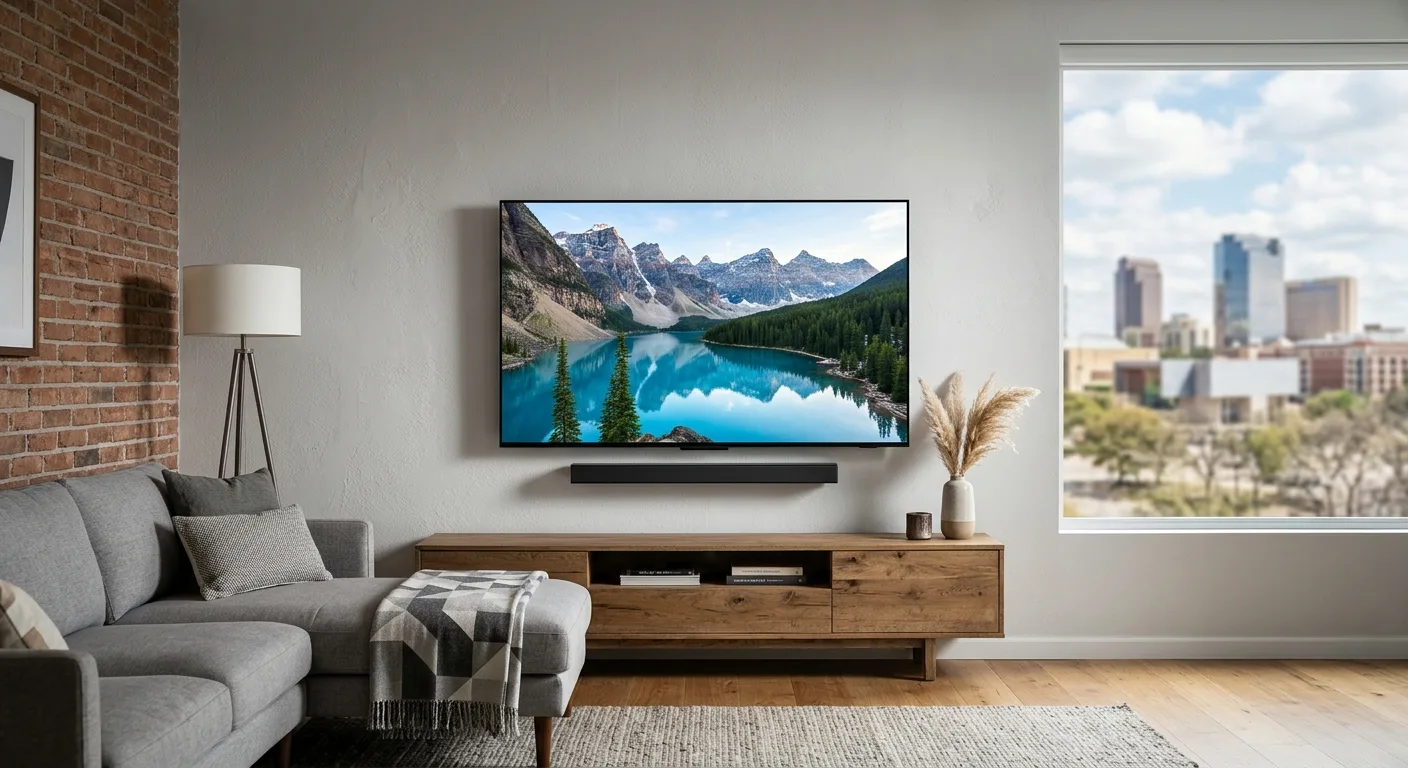
TV Mounting in Fort Worth
Studs found, bracket level, cables out of sight. Call Quincey directly at (347) 805-7246.
Call or text (347) 805-7246Request an estimate
Tell us what you need
Fort Worth TV Mounting Done Flat and Level
TV mounting in Fort Worth is what DreamHouse Handyman handles across Tarrant County, Quincey shows up, finds the studs, sets the bracket, and leaves the wall looking like the TV was always supposed to be there. Most homeowners asking whether it's worth hiring someone already know the answer: a crooked mount, a pulled anchor, or a cable stapled down the wall costs more to undo than the job cost in the first place. Call (347) 805-7246 and get it handled by the person who'll actually do the work.
What goes into a mount job depends on your wall type and what you want done with the cables. Older Fort Worth homes near Fairmount or TCU/Westcliff often have plaster or masonry walls that need a different approach than the standard stud-frame construction you'll find in newer Alliance-corridor builds. Bracket type matters too: a fixed mount is cheaper and rock-solid if you never change your viewing angle; a full-motion arm costs more but lets you swivel the screen for different seating positions. Cable concealment, running the power and HDMI lines inside the wall through a low-voltage kit, is a separate step that keeps the finished result clean instead of a cable run taped along the baseboard. Every job is different, contact DreamHouse Handyman for an accurate estimate.
What Goes Into Every Mount Job
Three things have to line up: the wall, the bracket, and the cables.
Stud or Anchor: Reading Your Wall First
Drywall into studs is the preferred method for anything over 40 inches. Studs give you 1,500-plus pounds of shear strength; a decent drywall anchor gives you maybe 50. Quincey locates studs with a stud finder and confirms with a probe before a single bolt goes in. If a stud isn't where you need it, common in older Fort Worth construction, the right toggle anchor for the TV weight gets selected, not the cheapest one on the shelf.
Bracket Selection for Your Room Layout
Fixed mounts keep the TV flush and low-profile, right call for a bedroom or a dedicated media wall where the seating never moves. Tilting mounts angle the screen down, which matters if the mount point is higher than eye level. Full-motion arms swing and extend, good for open-plan rooms where the couch and the dining table both need a sightline. The bracket gets chosen based on your room, not upsold for margin.
Cable Concealment Inside the Wall
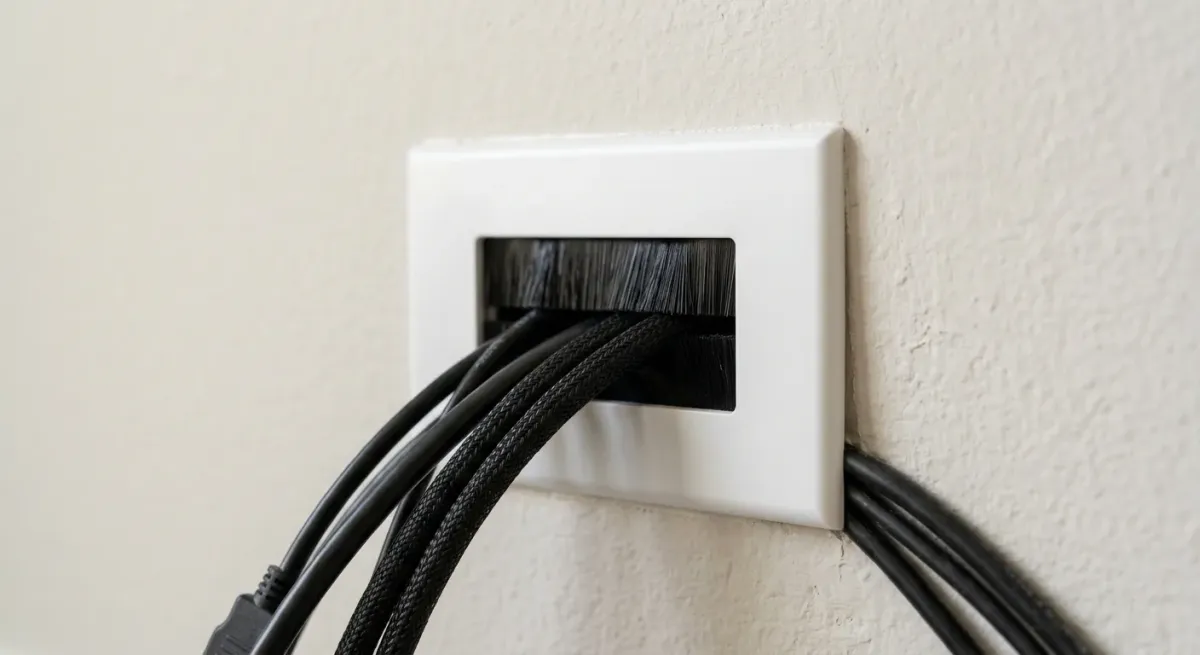
The clean finish comes from running cables through the wall, not taping them to it. A low-voltage wall plate kit creates two cutouts, one behind the TV, one near the outlet, and the HDMI and power lines route through the wall cavity. No fishing through insulation in exterior walls (that's a fire code issue in Texas), but interior walls are usually straightforward. The result looks like a TV floating on the wall with no visible hardware.
Height and Viewing Angle
Eye level while seated is the target, roughly 42 to 48 inches to screen center for a standard couch. Mount it too high and your neck pays for it after an hour. Fireplace mounts are almost always too high by default and the heat rising from the firebox is a real concern for the TV's internals in a Texas summer. Quincey will tell you if a placement is going to cause problems before drilling, not after.
Renters and Owners
Mounting a TV in a Fort Worth Rental
The Process
How the Mount Appointment Works
Call and Confirm
Call (347) 805-7246 during business hours. Tell Quincey the TV size, the wall type if you know it, and whether you want cables hidden. He'll give you a straight answer on what's involved.
Locate, Level, and Mount
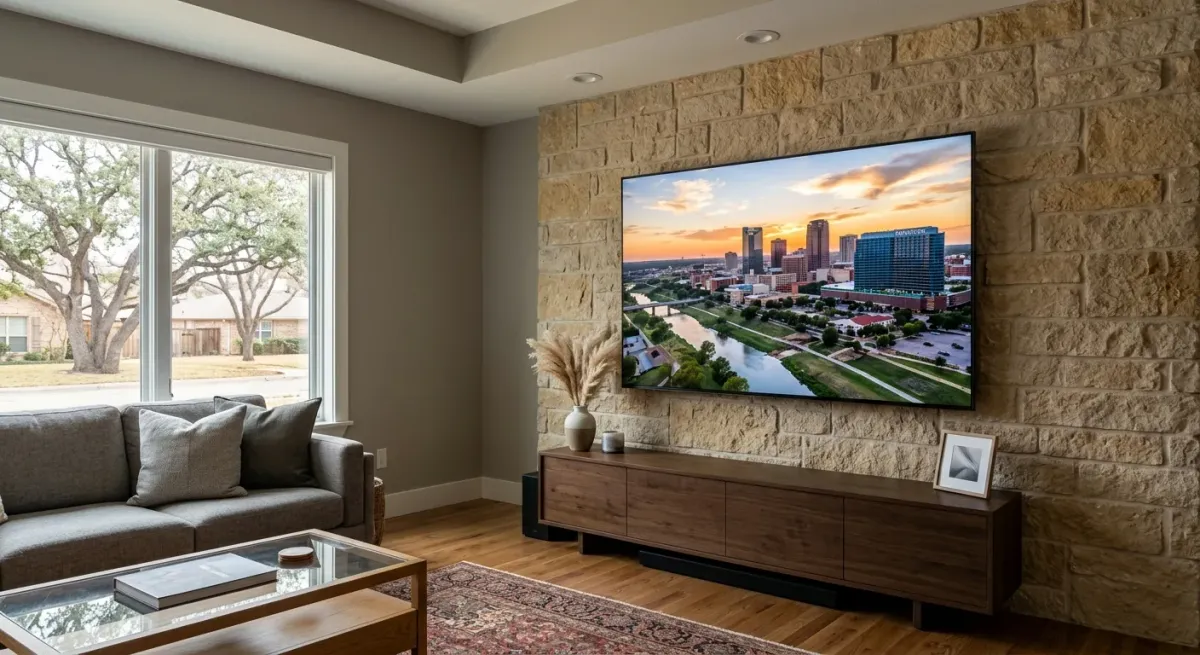
On-site, Quincey finds studs or selects the right anchor for the wall type, sets the bracket level, and mounts the TV. The screen gets checked for tilt and plumb before anything is called finished.
Cable Routing and Cleanup
If you want cables inside the wall, the low-voltage kit goes in the same visit. Quincey cleans up drywall dust and debris before leaving. You plug in and watch.
Other Work Quincey Handles in the Same Visit
Ceiling Fan Repair
Wobbling fan, non-responsive remote, or a fan that needs replacing, ceiling fan repair is a natural add-on when you've already got an appointment scheduled.
Indoor Painting
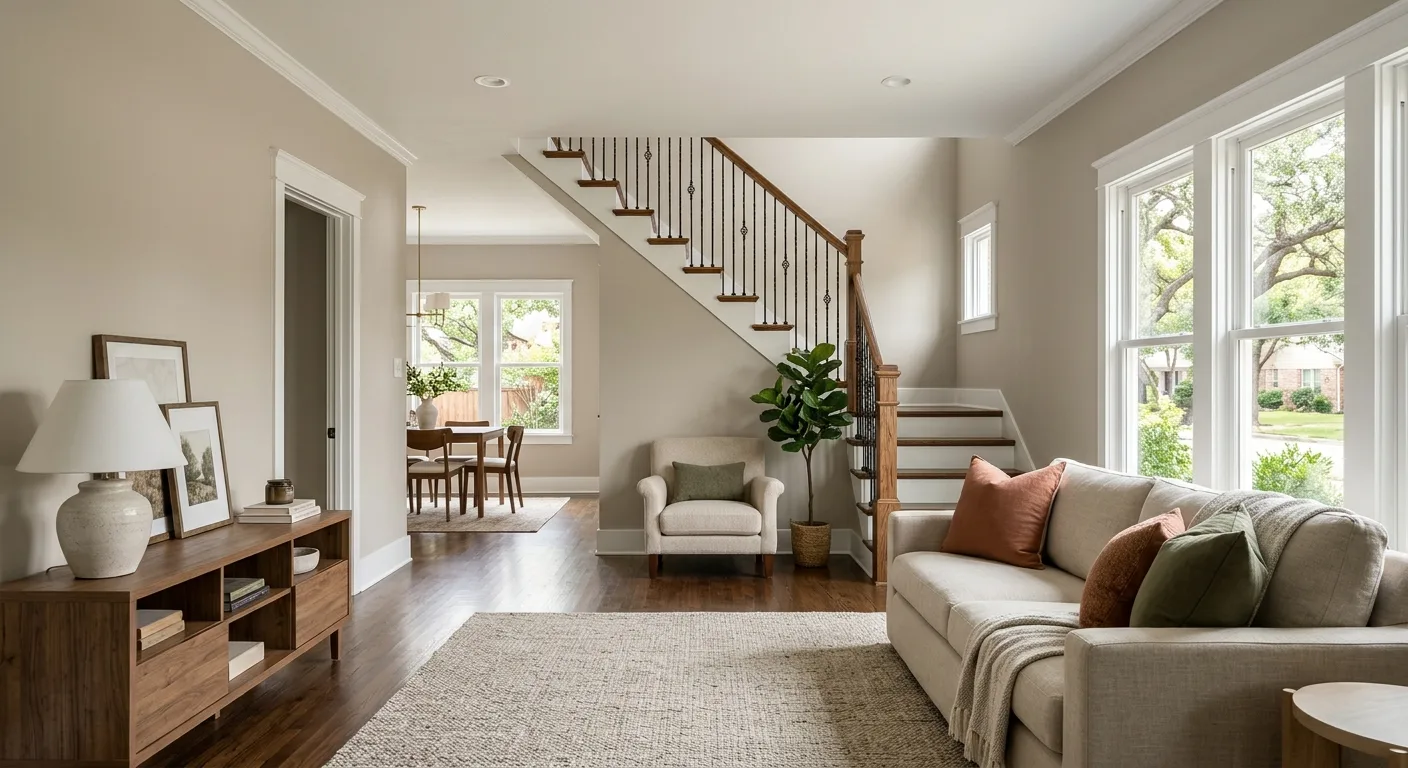
If the wall behind the TV needs a fresh coat or you're repainting the room around the new setup, indoor painting is on the same ticket.
Drywall Patching
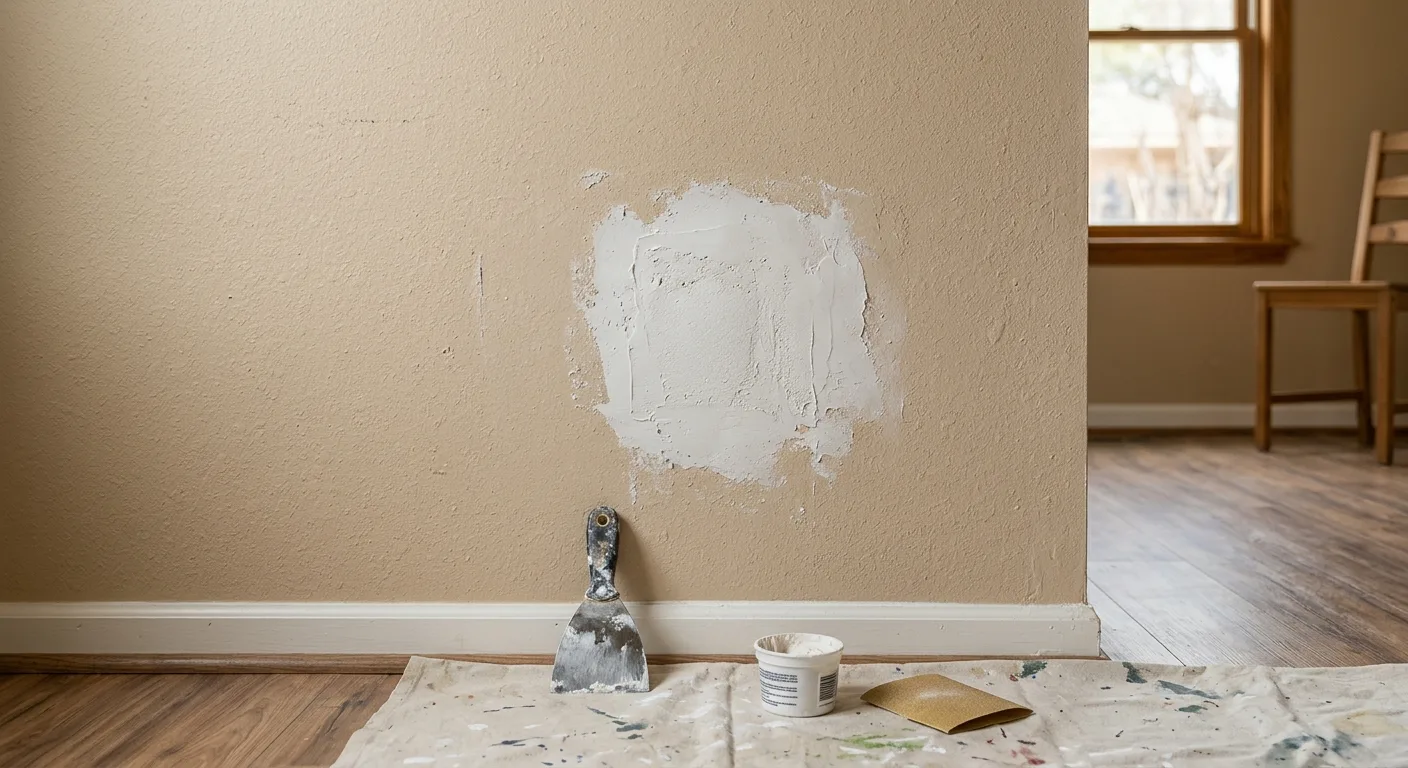
Moving a mount, filling old holes from a previous install, or fixing anchor damage from a DIY attempt, drywall repair and drywall installation are part of the regular workload.
In the field
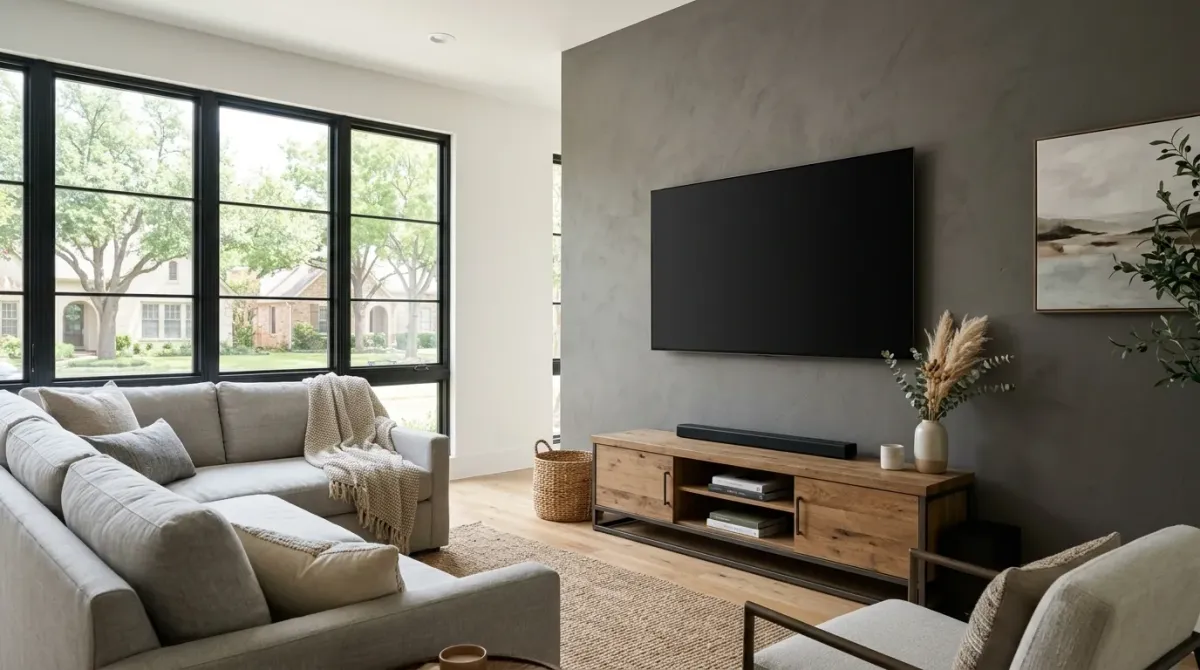
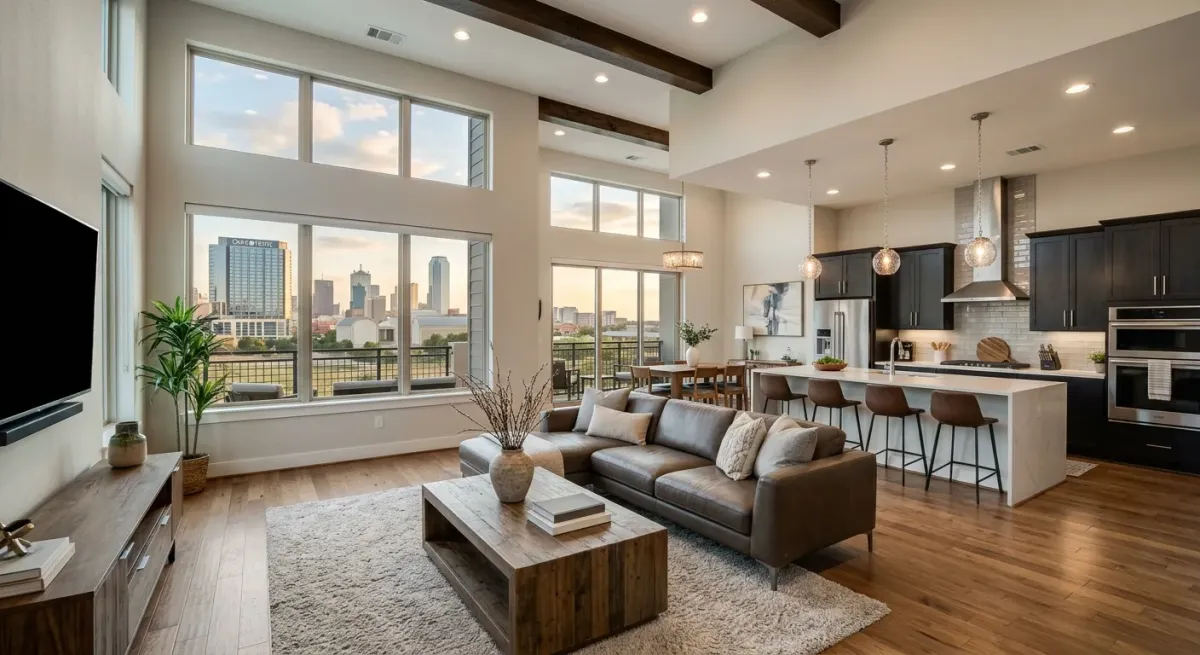
A look at our work
Get Your TV Mounted This Week
Quincey answers the phone. The person you call is the person who shows up.
Frequently asked questions
Not answered here?Ask Quincey: (347) 805-7246
What's the difference between stud mounting and drywall anchor mounting for a TV?
Is it worth hiring someone to mount a TV instead of doing it myself?
What's the right height to mount a TV in a living room?
Can you mount a TV over a fireplace in a Fort Worth home?
How does in-wall cable concealment actually work?
Will a TV fall off a wall mount if it's installed correctly?
What happens if I need to unmount and move the TV later?
Next step
Tell us about the job
Your name, your number and what needs doing. A person from DreamHouse Handyman gets back to you.
Rather talk now?(347) 805-7246